Clarification Before Crossflow: Red Wine Readiness Signals Cellar Teams Should Not Ignore
Crossflow filtration is not a rescue step. It is a precision step that performs best when the wine arriving at the membrane has already been prepared by the cellar.
For red wine programs, that preparation starts earlier than many teams think: during maceration, pressing, post-press settling, and the first racking decisions. If pectin structure, suspended pulp fines, glucan-like drag, or unstable phenolic colloids are still carrying haze into the filtration queue, crossflow will show it quickly through pressure rise, short cycles, and slower tank turnover.
As an enzyme supplier for wine production, Véraison Current supports industrial winery teams with clarification-focused enzyme programs built around harvest speed, press yield, filtration load, and sensory control.
Why pre-crossflow clarification matters in red wine
Red wines bring a different solids challenge than whites. Skin contact, seed and pulp fragments, cap management, press fraction blending, and phenolic density all add complexity. A wine may look commercially sound in tank but still behave poorly at the membrane.
The cost is operational:
- longer filtration windows during already compressed cellar schedules
- reduced membrane productivity from persistent haze and colloidal drag
- more holding time while tanks wait for filtration availability
- higher oxygen-management risk from repeated movements
- greater chance of stripping or correction when the process becomes reactive
Good clarification before crossflow is not about making red wine sterile-looking too early. It is about reducing the burden that should never reach the membrane in the first place.
Readiness signal 1: the haze break is decisive, not slow and smeared
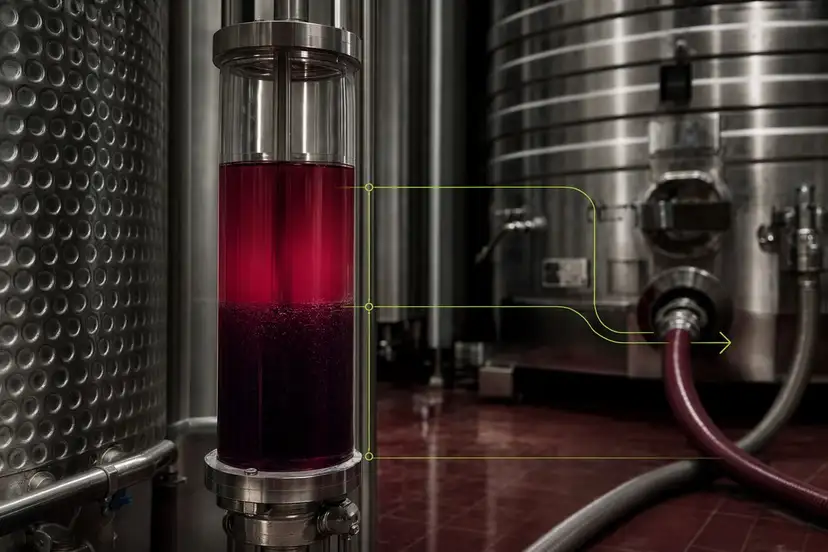
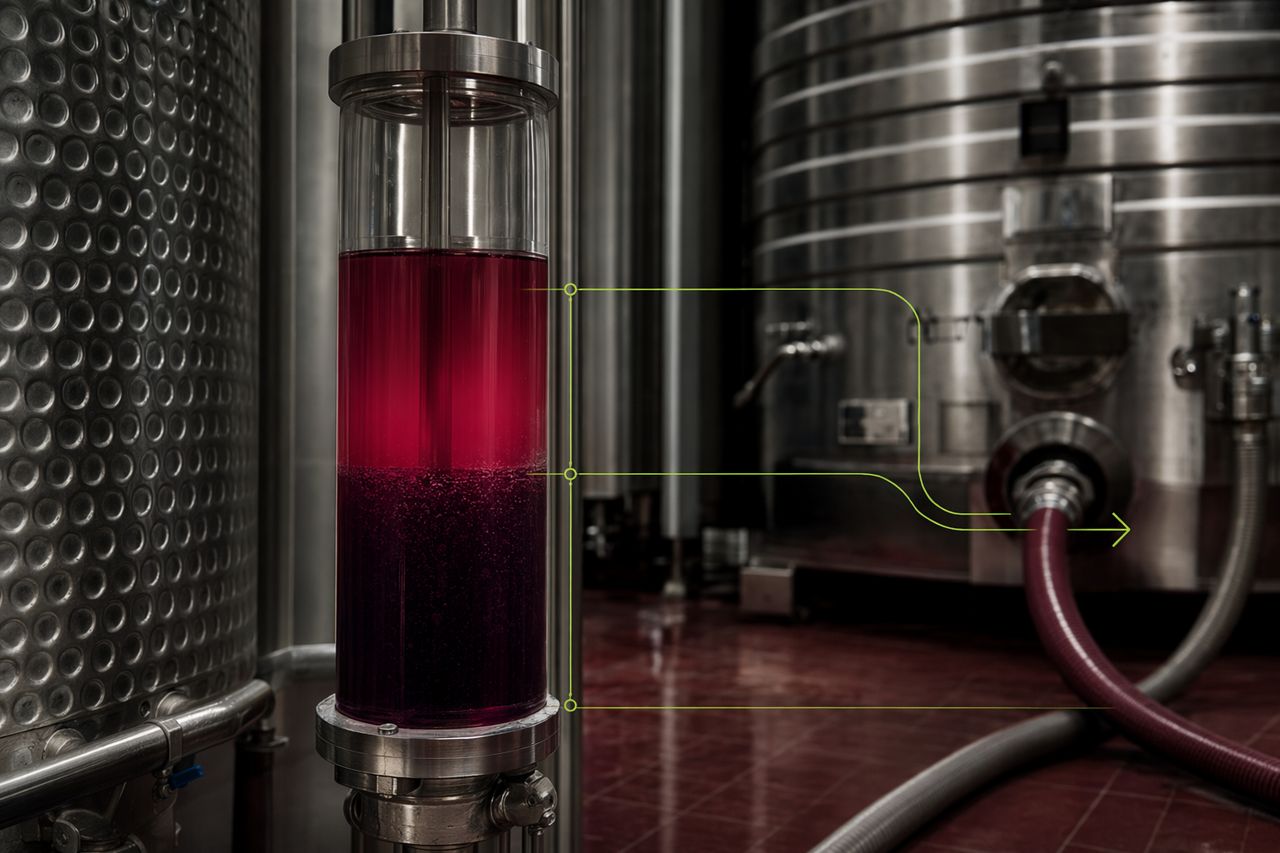
A ready red wine shows a cleaner separation pattern after enzymatic action, settling, or cold hold. The cellar team sees a defined break between clarified wine and lees rather than a long gradient of suspended haze.
When the break remains smeared, the wine may still be carrying pectin-linked structure, fine pulp, or colloidal material that resists settling. Sending that load to crossflow often converts a tank issue into a filtration bottleneck.
What to look for
- a clearer upper wine zone after settling
- less cloudy drag during racking
- reduced fine solids movement near the tank bottom
- fewer surprises when the tank is pulled forward for filtration
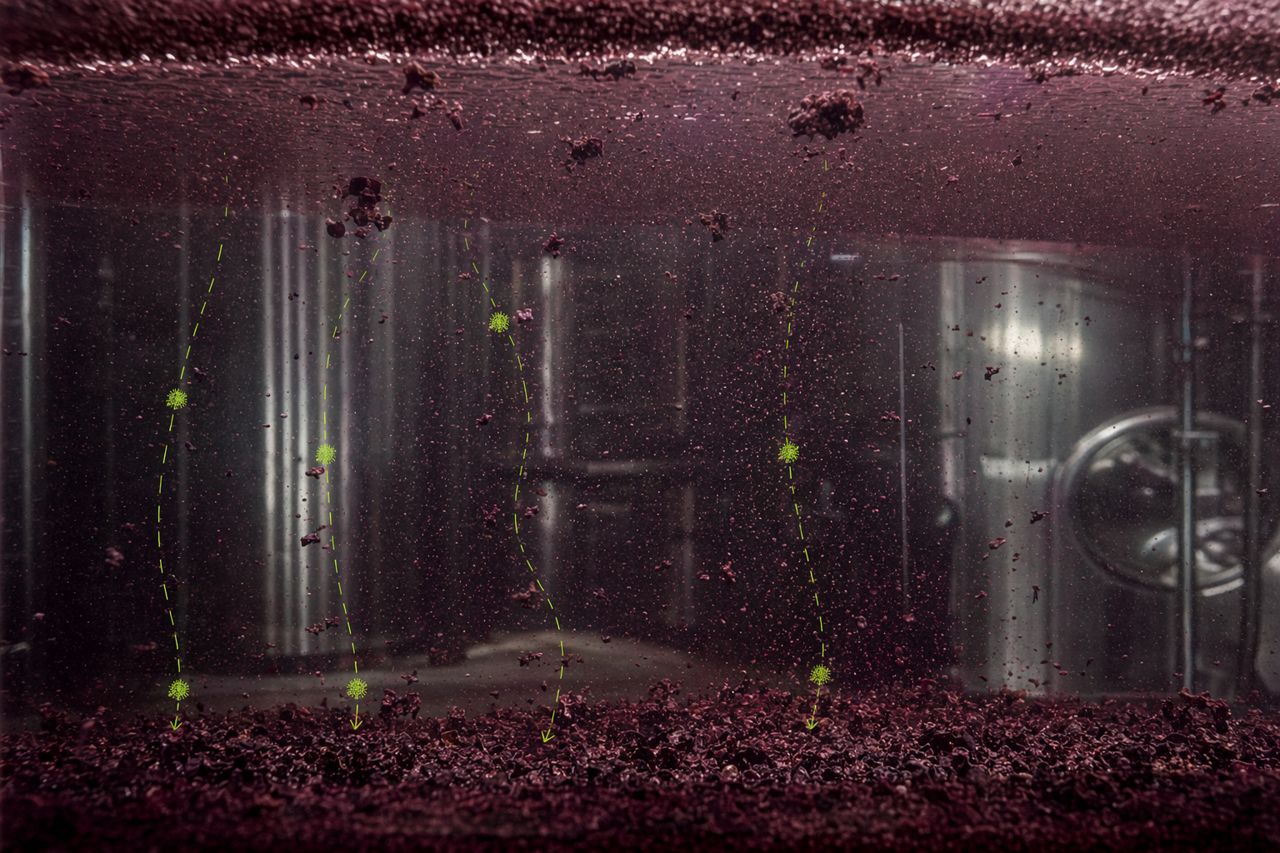
Readiness signal 2: lees are compact, not gummy
Red wine lees should settle into a manageable layer. When the lees remain loose, swollen, or gummy, the tank is signaling that the solids matrix has not been sufficiently opened.
Clarification enzymes can help reduce viscosity and release trapped liquid from pulp and skin-derived material. That gives production teams more recoverable wine and a cleaner separation path before crossflow.
This matters most when the cellar is balancing premium extraction targets against industrial throughput. A red wine can be fully extracted from a sensory standpoint and still need process support to become filtration-ready.
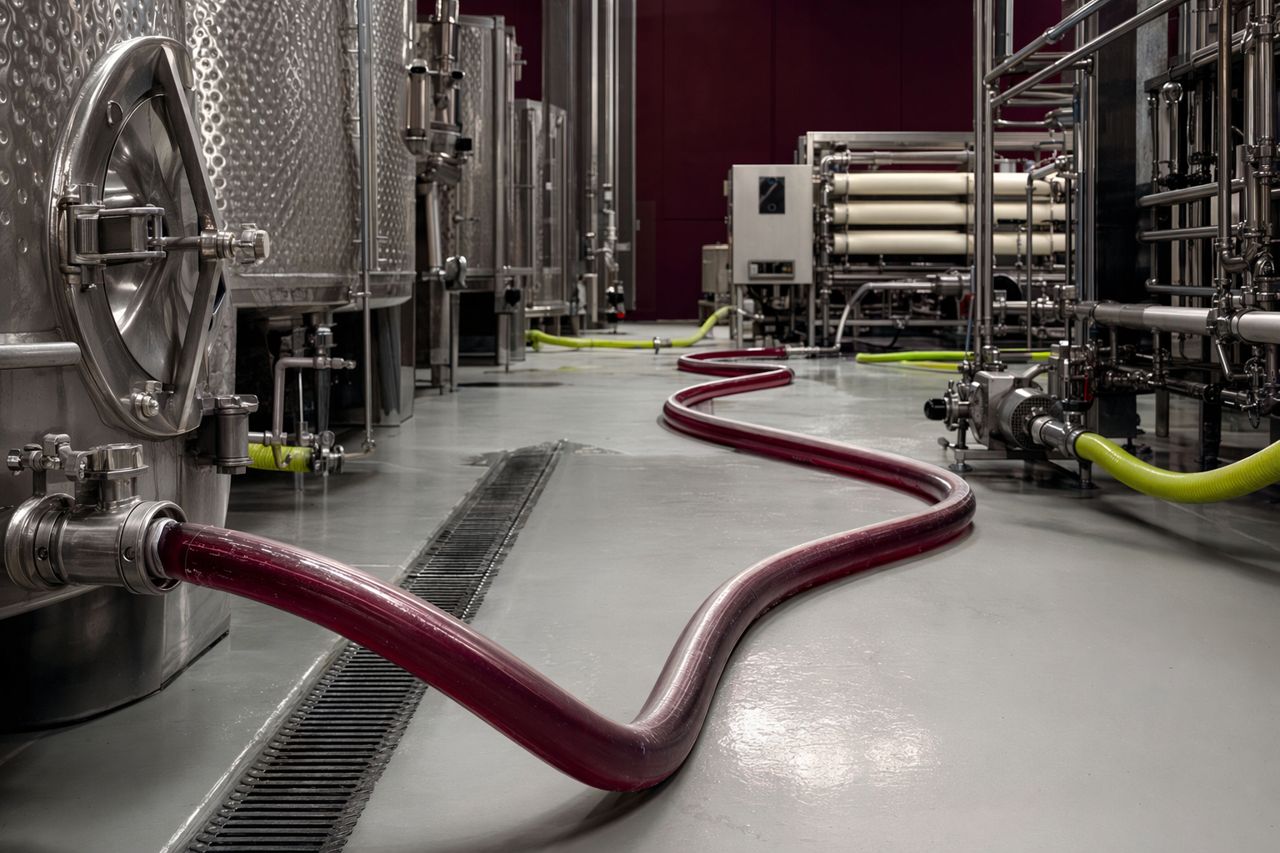
Readiness signal 3: rackings are cleaner with less bottom loss
A strong pre-crossflow clarification program should improve the confidence of the first and second racking decisions. The goal is not simply bright wine; it is more usable wine moved with less entrained solids.
Cleaner rackings support:
- better yield from press and settling tanks
- more predictable tank scheduling
- lower solids load to centrifuge or filter
- fewer corrective movements before bottling preparation
For larger red programs, these gains compound. A small improvement in each tank can release meaningful capacity across the filtration queue.
Readiness signal 4: trial filtration behavior matches cellar expectations
Before committing a tank to production crossflow, many wineries use internal indicators or small process checks to understand how the wine is likely to run. The key question is simple: does the wine behave like its appearance suggests?
If a visually acceptable red wine still produces rapid pressure increase or unstable flow behavior, the issue is usually not cosmetic. It is structural. Remaining colloids, fine solids, or viscosity can create membrane stress even when the wine seems clear enough by eye.
A practical enzyme program is designed to reduce that mismatch.
Readiness signal 5: sensory character remains protected
Clarification is not a license to overwork the wine. Red wine teams need clarity and filterability without flattening texture, stripping color impression, or pushing oxidation risk through unnecessary handling.
That is why enzyme selection and timing should be aligned with the wine style:
- fruit-forward reds where aroma lift and color brightness matter
- structured reds with heavier press fractions
- high-throughput commercial blends that need reliable filtration windows
- premium lots where mouthfeel and extraction balance must be protected
The best pre-crossflow program is operationally effective and sensorially quiet.
Where enzyme timing fits in the red wine flow
Enzyme value depends on timing, temperature, alcohol environment, contact time, and the solids profile of the lot. Waiting until crossflow pressure is already rising limits the cellar’s options.
Common decision points include:
- During maceration to support extraction and reduce solids-bound juice losses.
- At or around pressing to improve release from skins and pulp-heavy fractions.
- Post-press settling to accelerate clarification and compact lees.
- Pre-filtration staging when a tank needs final readiness support before entering the filtration queue.
Each point serves a different production purpose. The right approach depends on grape condition, variety, press style, fermentation management, tank schedule, and target wine profile.
Questions cellar teams should ask before crossflow
Use these checks before assigning a red tank to filtration:
- Has the haze break clearly formed, or is the wine still holding suspended structure?
- Are lees compact enough for a confident racking?
- Does the wine show signs of viscosity or gummy solids?
- Is the tank being filtered because it is ready, or because the schedule is forcing it forward?
- Has the enzyme program been matched to the harvest condition and press fraction?
- Will this filtration step protect sensory intent, or risk corrective handling later?
These are practical cellar questions, not academic ones. They determine whether crossflow runs as a planned operation or becomes a production constraint.
The commercial case for better red wine readiness
For industrial wineries, pre-crossflow clarification creates value in four places:
- Throughput: filtration assets stay productive for longer cycles.
- Yield: more wine is recovered from skins, pulp, and lees.
- Quality: fewer emergency movements reduce oxygen and sensory risk.
- Planning: cellar teams gain more predictable tank release and bottling preparation.
When harvest pressure is high, predictability is margin.
Work with Véraison Current
Véraison Current supplies enzyme solutions for commercial wineries that need practical performance in real cellar conditions. We help production, lab, and QA teams align enzyme choice with red wine style, solids load, clarification target, and filtration capacity.
If your red wine program is seeing crossflow pressure rise, slow tank turnarounds, or avoidable yield loss, bring us the cellar context. We will help map an enzyme approach that fits your process.
Request a quote through the on-site form and tell us what your red program needs to clear.