Enzyme Supplier for Wine Production
Commercial winemaking does not have room for vague inputs. At harvest, every decision moves through the cellar as throughput, press yield, tank availability, clarification timing, filtration load, and sensory risk.
Véraison Current supplies enzyme solutions for industrial winery teams that need predictable processing support across grape receiving, maceration, pressing, settling, fermentation management, aging, and pre-bottling preparation.
If you are sourcing an enzyme supplier for wine production, we help map the right enzyme category to the production problem in front of your cellar team: pectin breakdown, beta-glucan management, extraction control, clarification speed, filterability, or microbial stability support.
Request a quote
Cellar-Grade Enzyme Categories for Commercial Wine Production
Pectinase for Extraction, Pressing, and Clarification
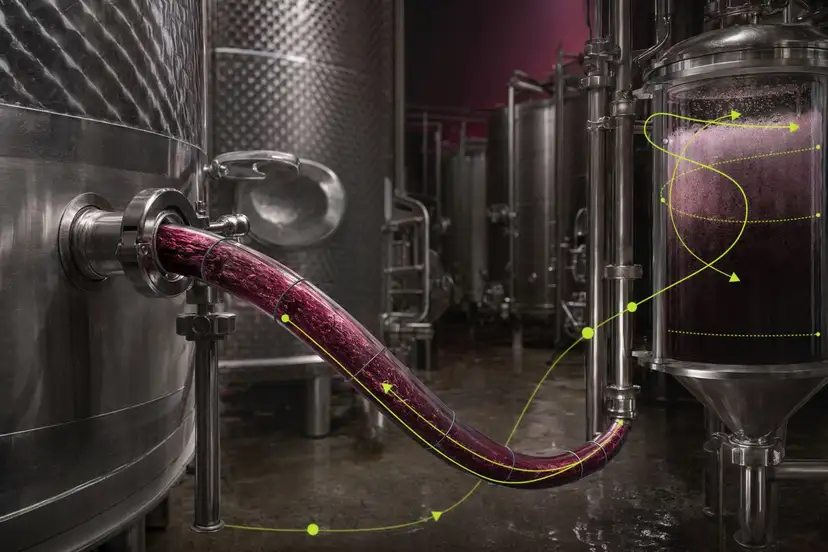
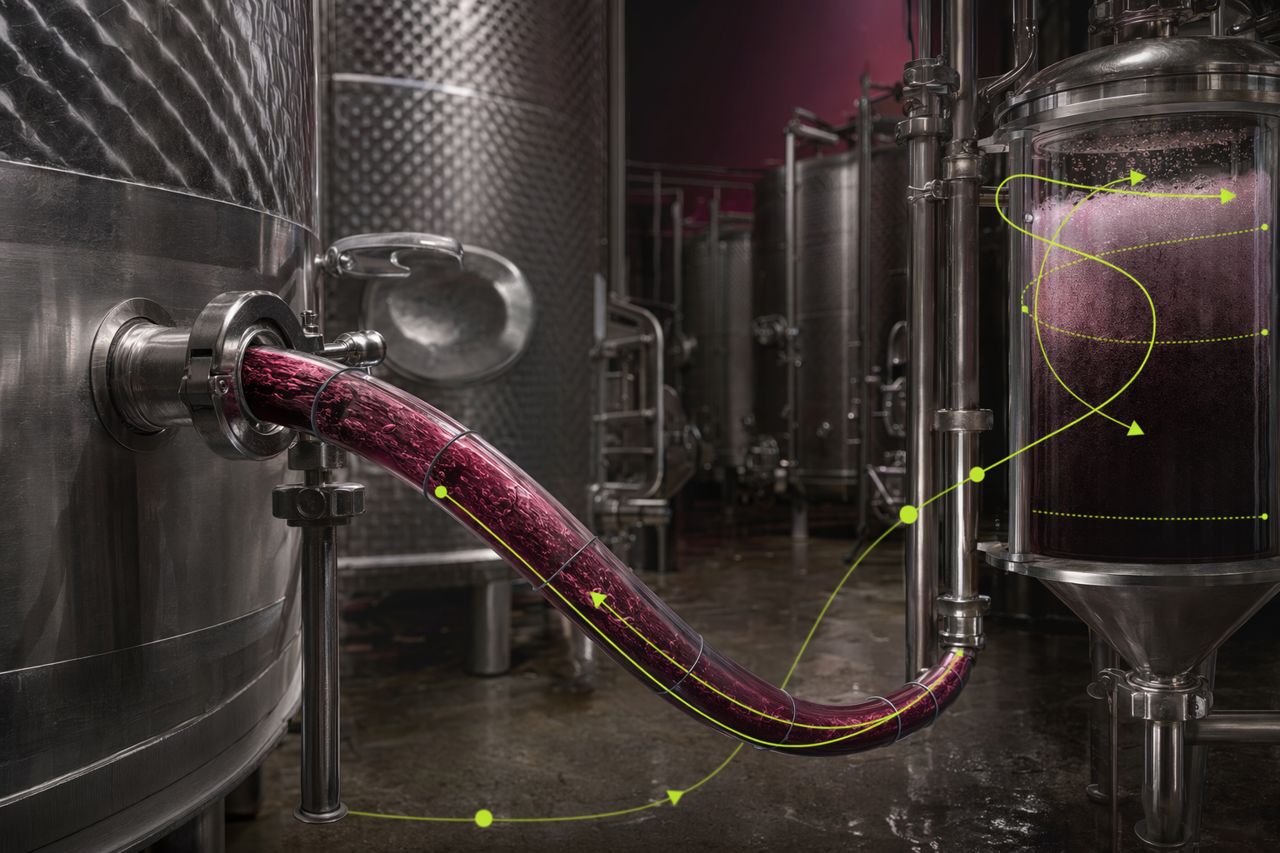
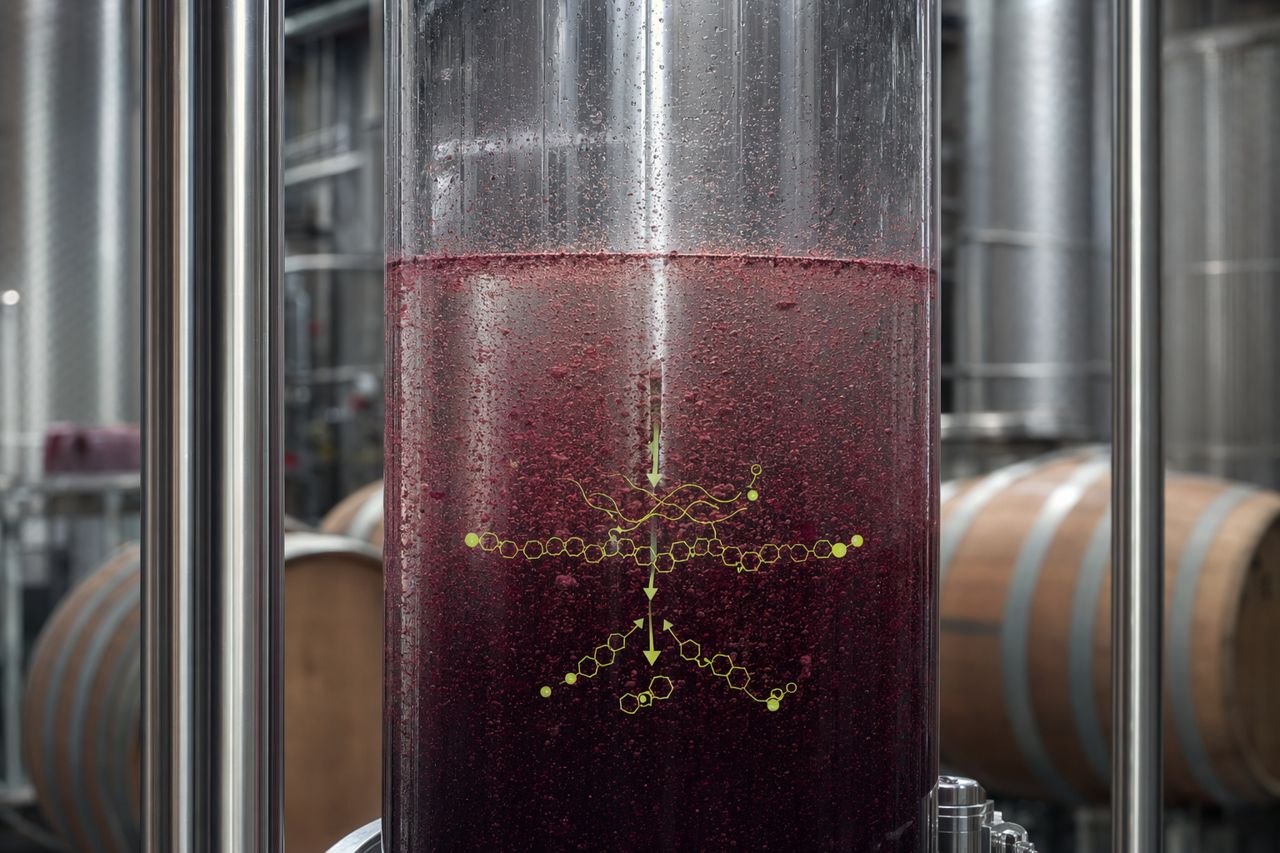
Pectin-rich must can slow drainage, hold juice in the pomace, and create clarification drag. Pectinase enzyme systems support the controlled breakdown of grape pectins so winery teams can improve liquid release, accelerate settling behavior, and reduce downstream filtration pressure.
Common production goals include:
- Improving free-run and press fraction recovery
- Supporting faster juice settling before fermentation
- Reducing viscosity in must and young wine
- Helping clarify white, rosé, and red wine streams
- Supporting extraction targets during red maceration
- Reducing the load on centrifuges, flotation systems, and filters
For industrial wineries, pectinase selection should match fruit condition, varietal intent, temperature profile, maceration time, and desired extraction style. The goal is not maximum breakdown at any cost. The goal is controlled release without pushing bitterness, color instability, or texture beyond the winemaking brief.
Glucanase for Difficult Clarification and Filtration Cases
Botrytis-affected fruit and certain microbial conditions can introduce beta-glucans that complicate clarification and filtration. These wines may look stable in tank but become slow, expensive, and unpredictable at the filter.
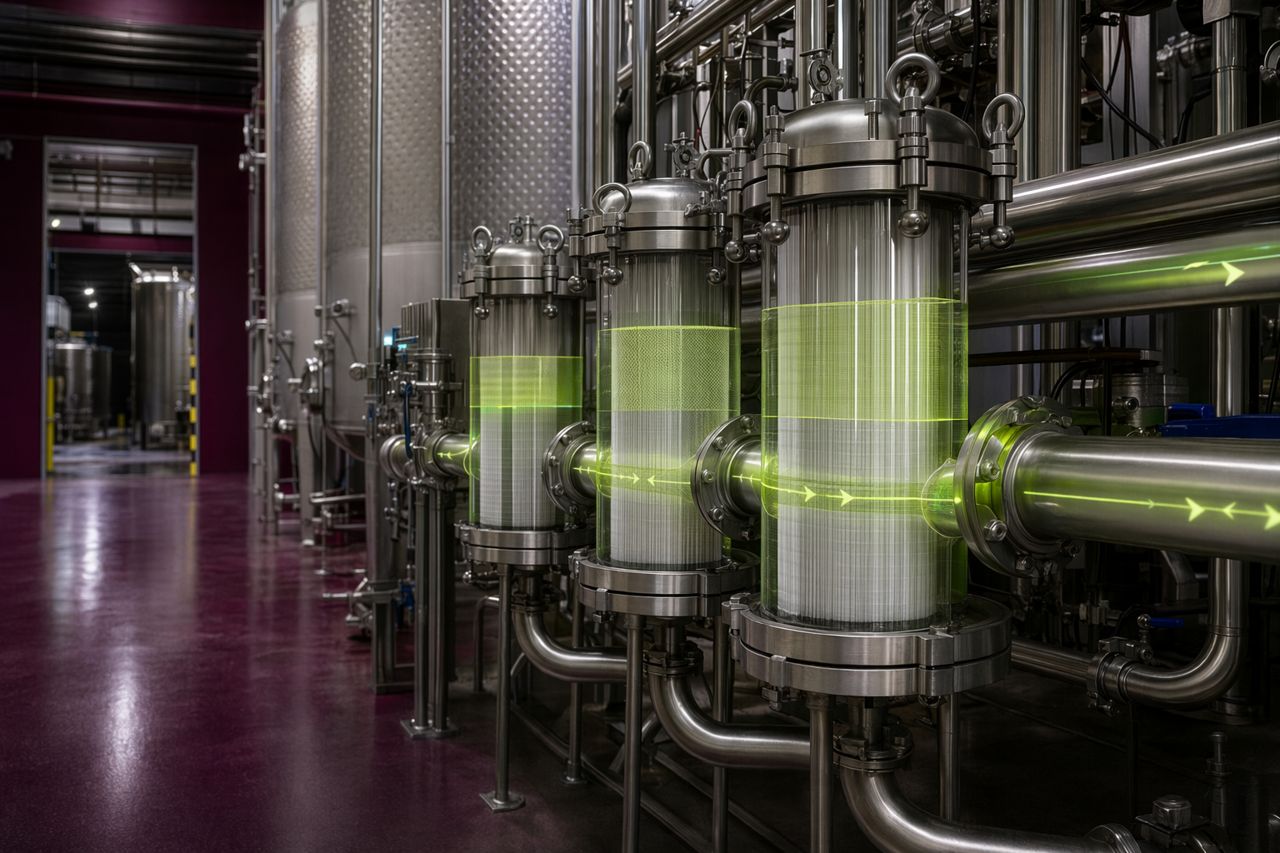
Glucanase enzyme solutions are used where beta-glucan load is contributing to poor filterability, heavy membrane fouling, sluggish clarification, or bottling delays.
Use cases include:
- Wines from compromised or rot-affected fruit
- High-haze lots that resist normal settling
- Cellar streams with difficult membrane performance
- Pre-bottling lots with elevated filtration risk
- Recovery planning for wines that are tying up tank space
For commercial operations, the value is operational: fewer surprise bottling interruptions, better scheduling confidence, and reduced pressure on filtration crews during peak cellar demand.
Lysozyme for Microbial Management in Wine Programs
Lysozyme is used in wine production to help manage certain lactic acid bacteria. It can support cellar strategies where winemakers need more control over malolactic fermentation timing, bacterial risk, or wine stability direction.
Typical objectives include:
- Delaying or managing malolactic fermentation
- Supporting microbial control in sensitive lots
- Reducing spoilage risk from target lactic bacteria
- Protecting aromatic and acid-driven wine styles
- Supporting production plans where timing matters across many tanks
Lysozyme use should be aligned with wine style, allergen labeling considerations, cellar microbiology, regulatory requirements, and QA release procedures. Véraison Current supports buyers with practical specification alignment so procurement, production, and quality teams can evaluate fit before bulk purchasing.
Match the Enzyme to the Production Problem
When the Problem Is Low Press Yield
Look first at grape condition, crush style, skin contact, temperature, and pectin structure. Pectinase systems can improve juice release and drainage, but the right choice depends on whether the cellar is processing whites, rosé, reds, or thermovinified material.
When the Problem Is Slow Settling
Clarification drag often begins with colloidal load. Enzyme support can help reduce haze-forming material and improve separation behavior, allowing tanks to turn faster and fining or flotation steps to work more predictably.
When the Problem Is Filter Blocking
If standard clarification is not translating into filtration performance, beta-glucans may be part of the issue. Glucanase selection can help reduce filtration resistance and protect bottling schedules.
When the Problem Is Sensory Risk
Enzyme choice affects more than speed. Extraction intensity, mouthfeel, aroma release, phenolic balance, and clarification style all matter. Véraison Current helps commercial buyers source enzyme solutions that serve the wine plan, not just the process chart.
Bulk Supply Built for Industrial Winery Procurement
Large wineries need more than a catalog item. They need dependable supply, documentation, lot consistency, and a clear path from trial evaluation to production ordering.
Véraison Current supports commercial procurement with:
- Bulk enzyme supply for seasonal and year-round production
- Category guidance across pectinase, glucanase, and lysozyme needs
- Documentation support for QA and purchasing review
- Lot traceability and specification alignment
- Practical ordering conversations tied to harvest calendars
- Quote support for multi-site winery groups and contract production facilities
What We Need to Quote Accurately
To recommend the right enzyme category and quote efficiently, share the operating context your team already tracks:
- Wine type: white, rosé, red, sparkling base, concentrate, or specialty stream
- Production stage: crush, maceration, pressing, settling, fermentation, aging, or pre-bottling
- Primary issue: yield, extraction, haze, settling, viscosity, filtration, or microbial control
- Fruit condition and known risk factors
- Approximate seasonal or monthly purchasing volume
- Preferred packaging format and delivery schedule
- Documentation requirements from procurement or QA
This allows us to respond with a quote that reflects real cellar conditions rather than a generic enzyme suggestion.
Why Véraison Current
Véraison Current is built for industrial winery buyers who need enzyme solutions to perform inside the realities of commercial production. We speak in cellar outcomes: tank turns, press recovery, clarification timelines, filtration load, style protection, and purchasing continuity.
Our role is to help your team select and source enzyme categories with confidence, whether you are preparing for harvest intake, resolving difficult lots, or standardizing enzyme purchasing across a larger wine program.
Request a Quote
If you are evaluating an enzyme supplier for wine production, send your requirements through the on-site request form. Include the wine style, production stage, target problem, and expected purchasing volume, and our team will follow up with a cellar-practical quote.
Request a quote