Enzyme Supplier for Wine Production | Véraison Current
Source pectinase, glucanase, and lysozyme for red wine operations with cellar-literate supply planning, documentation, and quote support from Véraison Current.
Request pricing Source pectinase, glucanase, and lysozyme for red wine operations with cellar-literate supply planning, documentation, and quote support from Véraison Current.
Request pricingVéraison Current supplies winery processing enzymes for commercial cellars that need dependable performance through crush, maceration, clarification, filtration, and stabilization planning. If your team is sourcing pectinase, glucanase, and lysozyme under one procurement conversation, we help align technical fit, documentation, seasonal availability, and quote-ready packaging before fruit pressure arrives.
We work like a production partner: precise enough for lab and QA review, practical enough for the crush pad.
Large cellars do not buy enzymes as isolated additives. They buy time, tank turns, extractability, filtration relief, and sensory control under harvest conditions.
As an enzyme supplier for wine production, Véraison Current supports red wine programs where operations teams are managing:
The goal is not simply to add an enzyme. The goal is to place the right processing tool at the right cellar step with predictable handling and procurement continuity.
Pectinase products support the breakdown of pectic structures in grape skins, pulp, and must. In red wine production, that can translate into more controlled extraction, improved juice release, faster settling behavior, and reduced downstream clarification burden.
Use cases include:
For procurement teams, we help match pectinase selection to fruit type, cellar temperature reality, contact time, equipment constraints, and intended wine style.
Botrytis pressure and certain fermentation conditions can introduce beta-glucan-related processing problems. These wines may behave normally in tank but become slow, costly, and unpredictable at clarification or filtration.
Glucanase support can help cellars address:
We position glucanase as an operational risk-control tool, especially for wineries that process fruit from multiple vineyards, contract growers, or variable seasonal disease pressure.
Lysozyme is used in wine programs where teams need selective control of certain lactic acid bacteria. It can support cellar decisions around malolactic fermentation timing, stuck or delayed MLF risk, and microbial stability planning.
Because lysozyme carries important labeling, allergen, and market considerations, we support procurement with clear documentation and technical context for QA review.
Common planning questions include:
Buying these enzyme categories together can simplify seasonal planning and reduce avoidable purchasing friction. Véraison Current helps winery teams move from scattered spot buys to a controlled enzyme procurement plan.
Your winemaking, lab, cellar, and procurement teams can review enzyme needs through one coordinated supplier channel rather than separating extraction, filtration relief, and microbial control into disconnected purchases.
Crush does not wait for purchasing delays. We help forecast demand by production calendar, expected fruit condition, tank capacity, and historical processing pressure.
QA and procurement teams need product documentation ready before harvest or bottling deadlines. We support quote packages with the information buyers need to evaluate fit, compliance, and internal approval.
Our recommendations account for the way industrial wineries actually run: changing fruit condition, press scheduling, tank constraints, labor windows, and the cost of holding wine longer than planned.
Véraison Current is built for B2B winery buyers who need more than a product list.
We support:
If your team is building a harvest enzyme plan, replacing an incumbent supplier, or standardizing processing aids across facilities, we can help scope the quote clearly.
Pectinase can support juice release, skin breakdown, extraction efficiency, and must handling. The practical benefit is a more manageable cap and a process that supports yield goals without losing sight of sensory restraint.
Enzyme-supported structure breakdown can improve drainability and press behavior. For industrial cellars, that may reduce time pressure around press availability and downstream tank allocation.
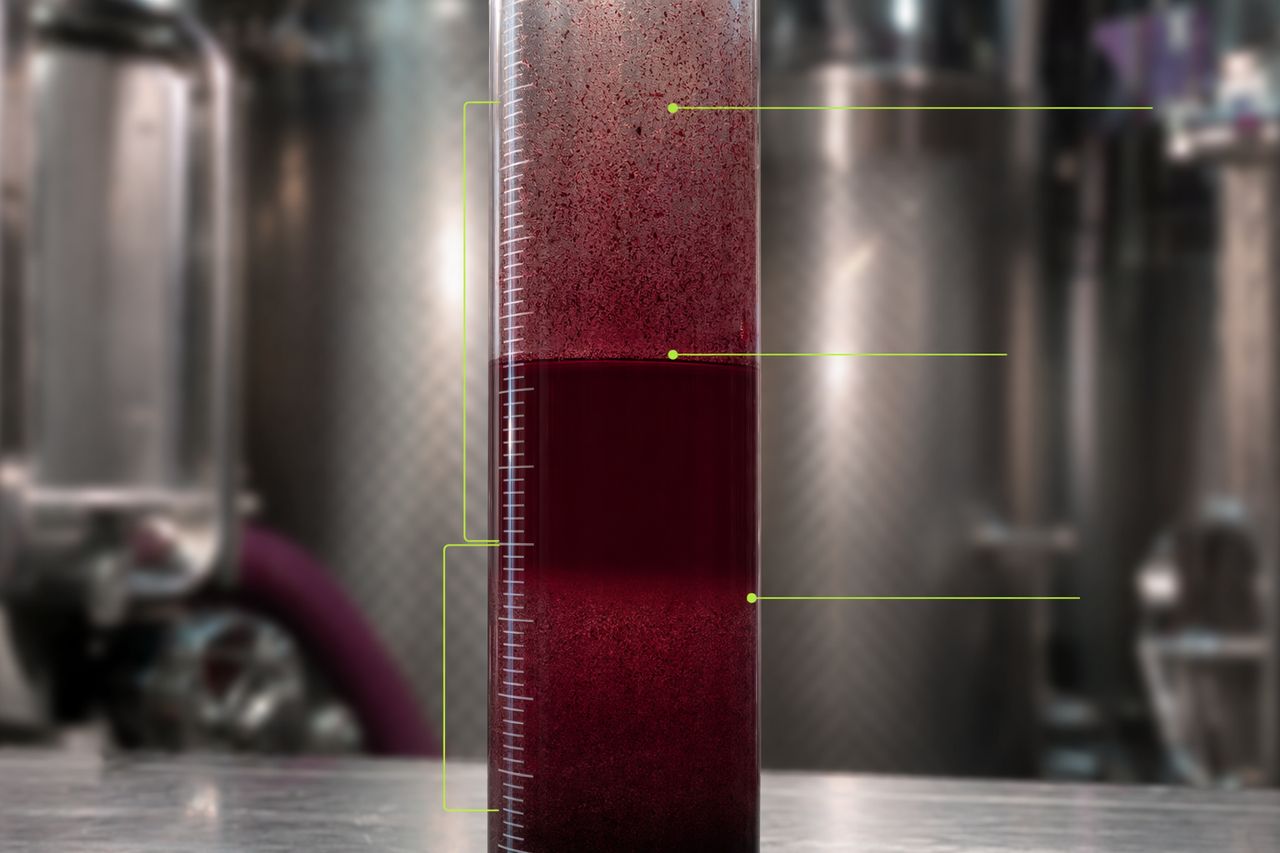
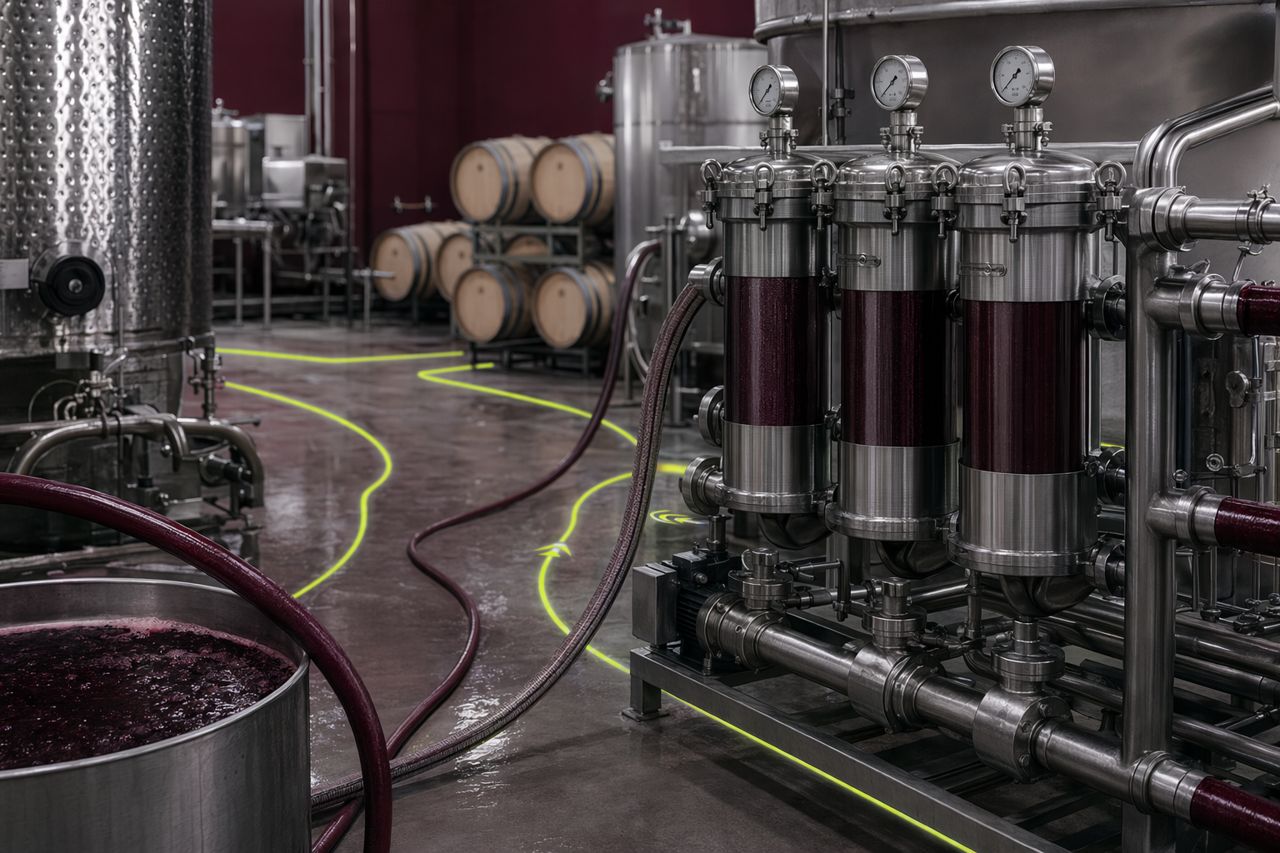
Pectinase and glucanase can help reduce haze-forming and viscosity-related obstacles that slow settling, flotation, centrifugation, or filtration preparation.
Glucanase selection can be important when wines show filtration resistance. Lysozyme may also be part of microbial control planning, depending on wine style, market requirements, and cellar strategy.
Processing efficiency cannot come at the expense of wine character. Red wine programs require control: color, tannin shape, aroma retention, mouthfeel, and stability all matter.
We help frame enzyme use around production objectives such as:
The result is a procurement conversation that respects both the cellar schedule and the glass.
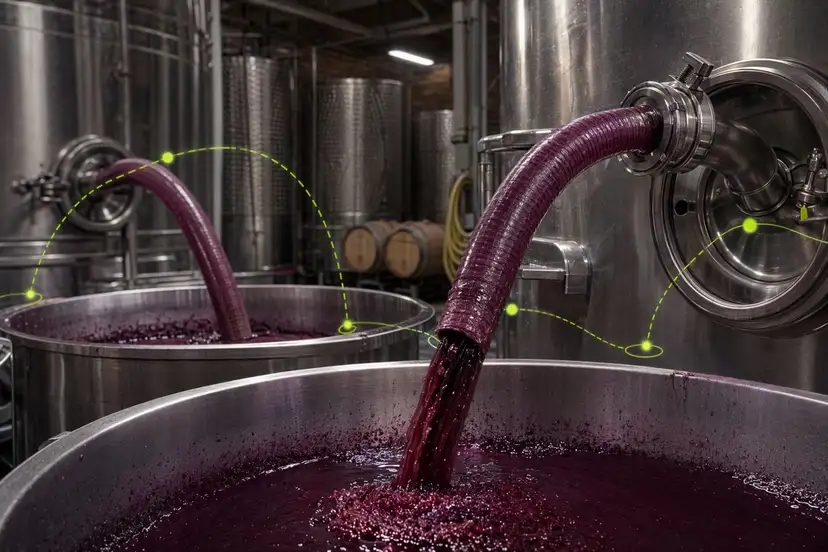
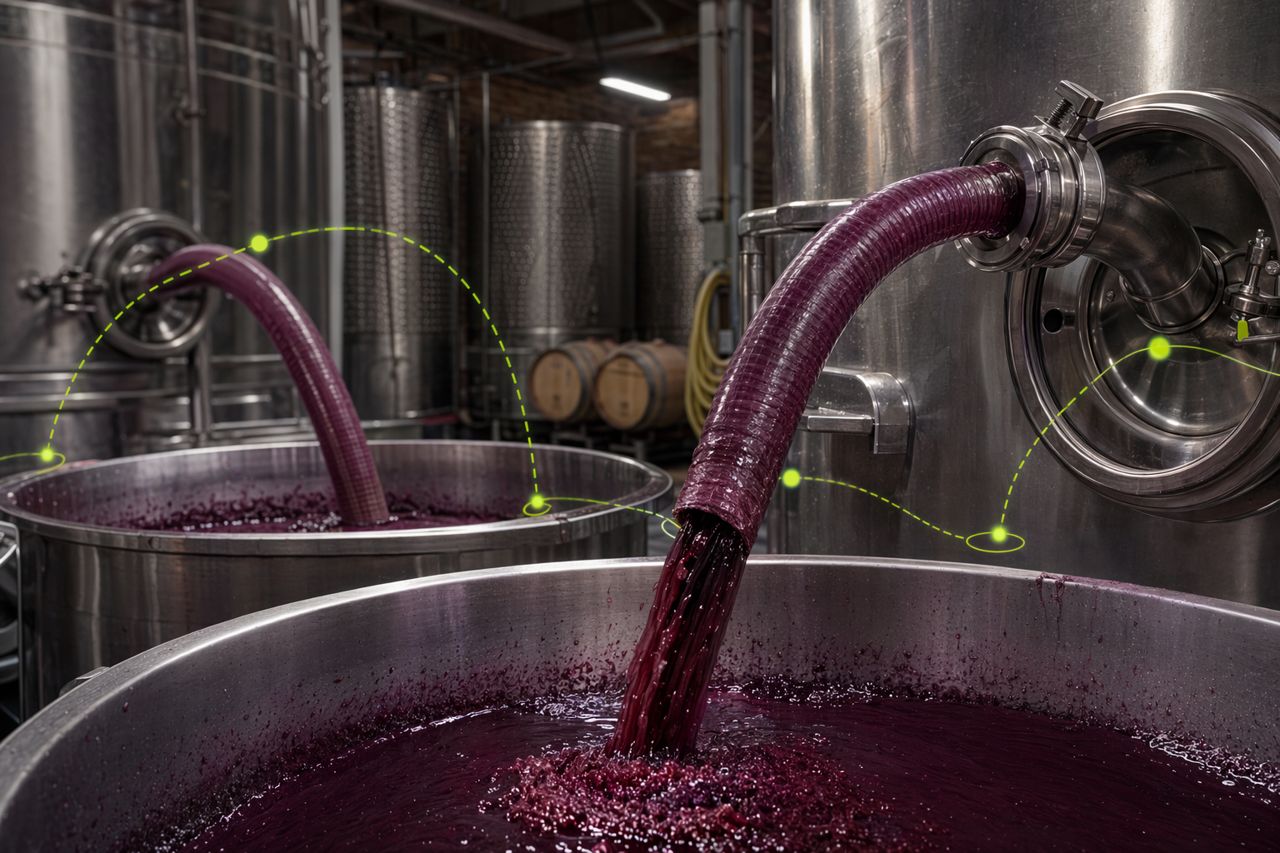
A one-minute faceless explainer is embedded on this page to show how Véraison Current approaches enzyme sourcing for industrial wineries: from fruit intake and must flow to clarification behavior, filtration load, and quote planning.
The visual system follows our signature field of deep burgundy wine gradually clarifying as neon-lime process overlays trace enzyme fit, temperature awareness, settling behavior, and operational checkpoints.
Tell us what your cellar is planning: projected production, red wine styles, current enzyme categories, harvest timing, filtration challenges, and documentation needs. Véraison Current will respond with a practical quote path for pectinase, glucanase, lysozyme, or a coordinated winery enzyme program.
Request a quote using the on-site form
Tell us your application and volume — we reply with pricing and lead time.